Old Linoleum: A Vintage Display Font for Web Design
In the crowded landscape of digital interfaces, typography is often the first element that communicates brand personality before a user even processes the imagery. As web designers and UI creators, we constantly search for typefaces that balance aesthetic appeal with functional clarity. Old Linoleum emerges as a compelling option in this space, offering a chalked, vintage design that brings immediate character to digital layouts. This display font is not just a decorative asset; it is a tool for establishing visual hierarchy and creating memorable brand experiences across websites, landing pages, and digital products.
Understanding the Visual Personality of Old Linoleum
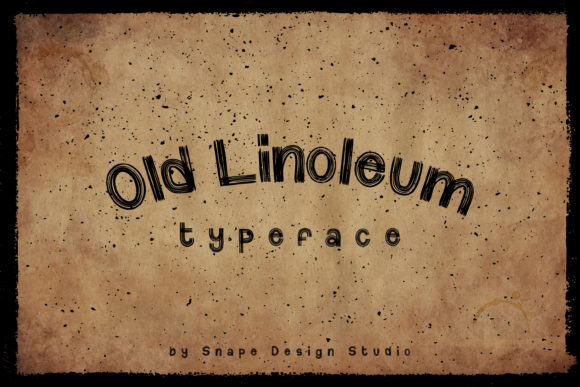
Old Linoleum is defined by its textured, hand-drawn appearance. The letters mimic the imperfect, organic stroke of chalk on a rough surface, providing a sense of nostalgia and authenticity. For digital product creators, this aesthetic is invaluable when aiming to humanize a brand. In an era where sleek, geometric sans serif fonts dominate SaaS dashboards and corporate sites, a typeface like Old Linoleum offers a refreshing contrast. It suggests craftsmanship, approachability, and a touch of rustic charm.
The versatility of this font lies in its simplicity. Despite its decorative nature, the letterforms remain distinct and legible. This makes it suitable for a wide variety of creative ideas, from boutique online stores to personal portfolio sites. When integrated into a web design, it acts as a strong visual anchor, drawing the eye and setting the tone for the rest of the content.
Strategic Applications in Digital Layouts
To maximize the impact of Old Linoleum, it is essential to understand where it performs best within a digital interface. As a display font, it is not designed for long-form body copy. Instead, it thrives in areas where brevity and impact are required.
- Hero Sections and Headers: Use Old Linoleum for main headlines on landing pages. Its unique texture captures attention immediately, encouraging users to scroll further.
- Call-to-Action Areas: Short, punchy phrases on buttons or banners benefit from the font’s friendly demeanor, potentially increasing click-through rates by reducing perceived friction.
- Brand Logos and Wordmarks: For startups and creative entrepreneurs, this font can serve as the foundation for a logo design, establishing a consistent online identity from the outset.
- Social Media Graphics: Extend your brand identity beyond the website. Use the font in Instagram stories, Pinterest pins, or Facebook ads to maintain visual consistency across platforms.
For example, a coaching website might use Old Linoleum in the hero section to convey warmth and personal connection, while a boutique online store could utilize it for seasonal sale banners to evoke a sense of limited-time, handmade quality.
Readability and Responsive Design Considerations
While the chalked texture of Old Linoleum adds character, it also presents challenges for readability, particularly on smaller screens. Web designers must be mindful of how the font renders on mobile devices. The intricate details that look stunning on a desktop monitor may blur or become indistinct on a smartphone display.
To ensure optimal usability, consider the following best practices:
- Size Matters: Avoid using Old Linoleum for text smaller than 18px. It is strictly a headline font. For subheadings or body text, switch to a clean, highly legible typeface.
- Contrast is Key: The textured nature of the font requires high contrast against the background. Use it on solid light or dark backgrounds rather than over busy images. If placing it over an image, ensure there is a semi-transparent overlay to maintain legibility.
- Letter Spacing: Adjust tracking slightly to prevent the chalk-like edges from merging, especially in all-caps scenarios. This helps maintain the integrity of each letterform.
By respecting these constraints, you ensure that the font enhances rather than hinders the user experience. Good web design is about balancing aesthetics with accessibility, and Old Linoleum fits well within this framework when used judiciously.
Effective Font Pairing for Brand Identity
A display font rarely works in isolation. To create a cohesive and professional digital presence, Old Linoleum must be paired with complementary typefaces. The goal is to create a visual hierarchy that guides the user’s eye smoothly through the content.
The most effective pairing for Old Linoleum is a neutral sans serif font. Typefaces like Inter, Roboto, or Open Sans provide a clean, modern counterpoint to the vintage flair of the header font. This combination ensures that while the headlines grab attention, the body copy remains easy to scan and read. For a more editorial or sophisticated look, consider pairing it with a classic serif font. This approach works well for blog graphics or course sales pages where a sense of authority and tradition is desired.
Avoid pairing Old Linoleum with other decorative fonts, such as script fonts or heavy handwritten styles. This can create visual clutter and confuse the user, diluting the brand message. Keep the supporting typography simple to let Old Linoleum shine as the primary expressive element.
Licensing and Technical Implementation
As a freebie, Old Linoleum offers an accessible entry point for designers working on budget-conscious projects. However, it is crucial to review the specific licensing terms included with the download. While many free fonts are available for personal use, commercial projects—such as client websites, online stores, or digital templates—often require a commercial license.
Before integrating Old Linoleum into a live web environment, check the available file formats. Ensure that webfont versions (such as WOFF or WOFF2) are included or can be generated. These formats are optimized for fast loading times, which is critical for SEO and user retention. Additionally, verify if the font includes multilingual support if your target audience extends beyond English-speaking regions.
By treating this font as a professional design asset rather than just a decorative extra, you can leverage its unique qualities to build stronger, more engaging digital experiences. Whether you are designing a landing page for a new product or refreshing the brand identity of an existing online store, Old Linoleum provides the vintage charm and visual interest needed to stand out in a competitive digital marketplace.